
Insights into Amphibian Evolution and Systematics
Research in the Lab
The Cannatella lab focuses on the evolution, systematics, and ecology of amphibians, with a particular emphasis on frogs. The lab integrates diverse methods, including molecular phylogenetics, morphology, bioacoustics, behavioral ecology, and field studies, to investigate the evolutionary relationships and biodiversity of frogs. Through this work, the Cannatella lab aims to better understand the processes shaping amphibian diversity, the impacts of environmental changes, and strategies for conserving these ecologically critical and often vulnerable species. Their research has broad implications for amphibian biology and global biodiversity.
Current Graduate Students

Current Projects
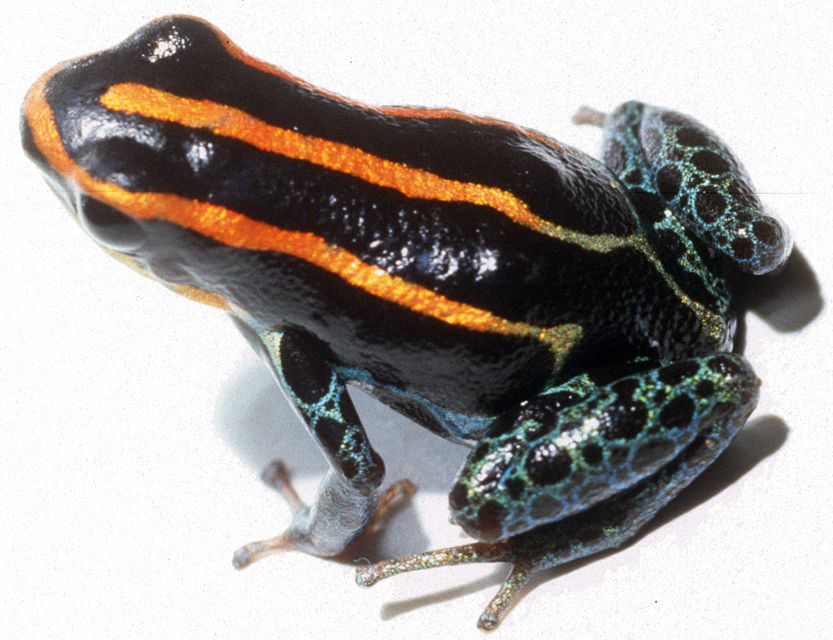
Poison frogs – We use diverse tools — including phylogenetics, transcriptomics, and metabolomics — in lab, experimental, and bench settings, to characterize the biology of Neotropical poison frogs. Specifically, we ask how aposematic poison frogs (i.e., frogs with bright colors that are used to advertise the defenses to predators) have evolved to sequester high diversities and concentrations of alkaloid toxins from their arthropod diet into their skin. The current thrust of the work is to disentangle whether diet or genetic ability to sequester contributes more to differences in chemical defense levels between aposematic species and dull-colored poison frogs with weak defenses, which rely on camouflage for predator avoidance.
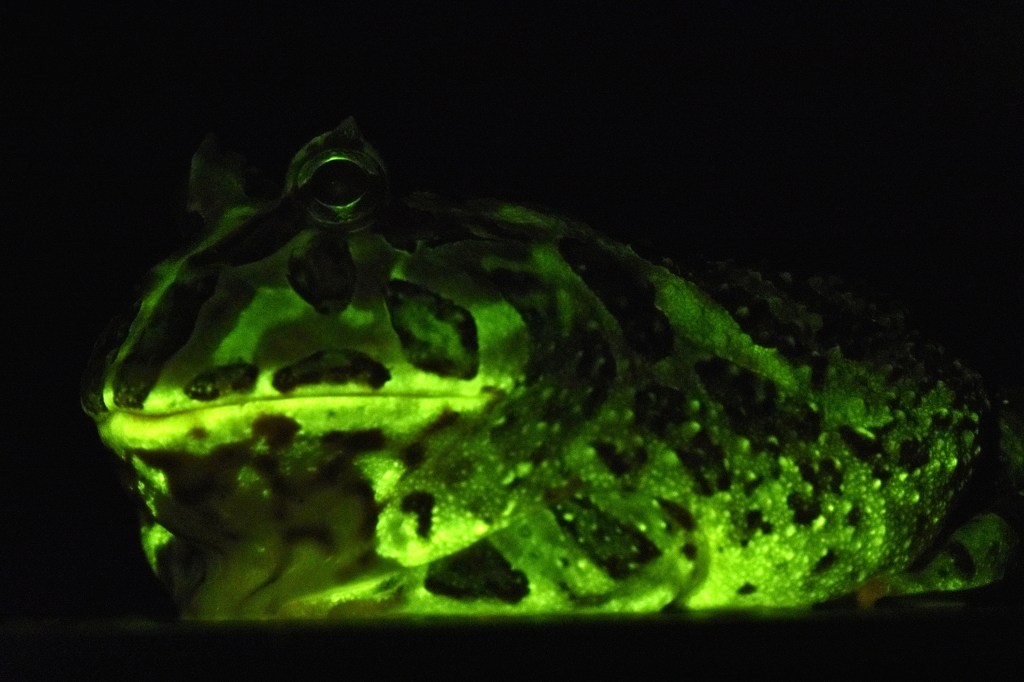
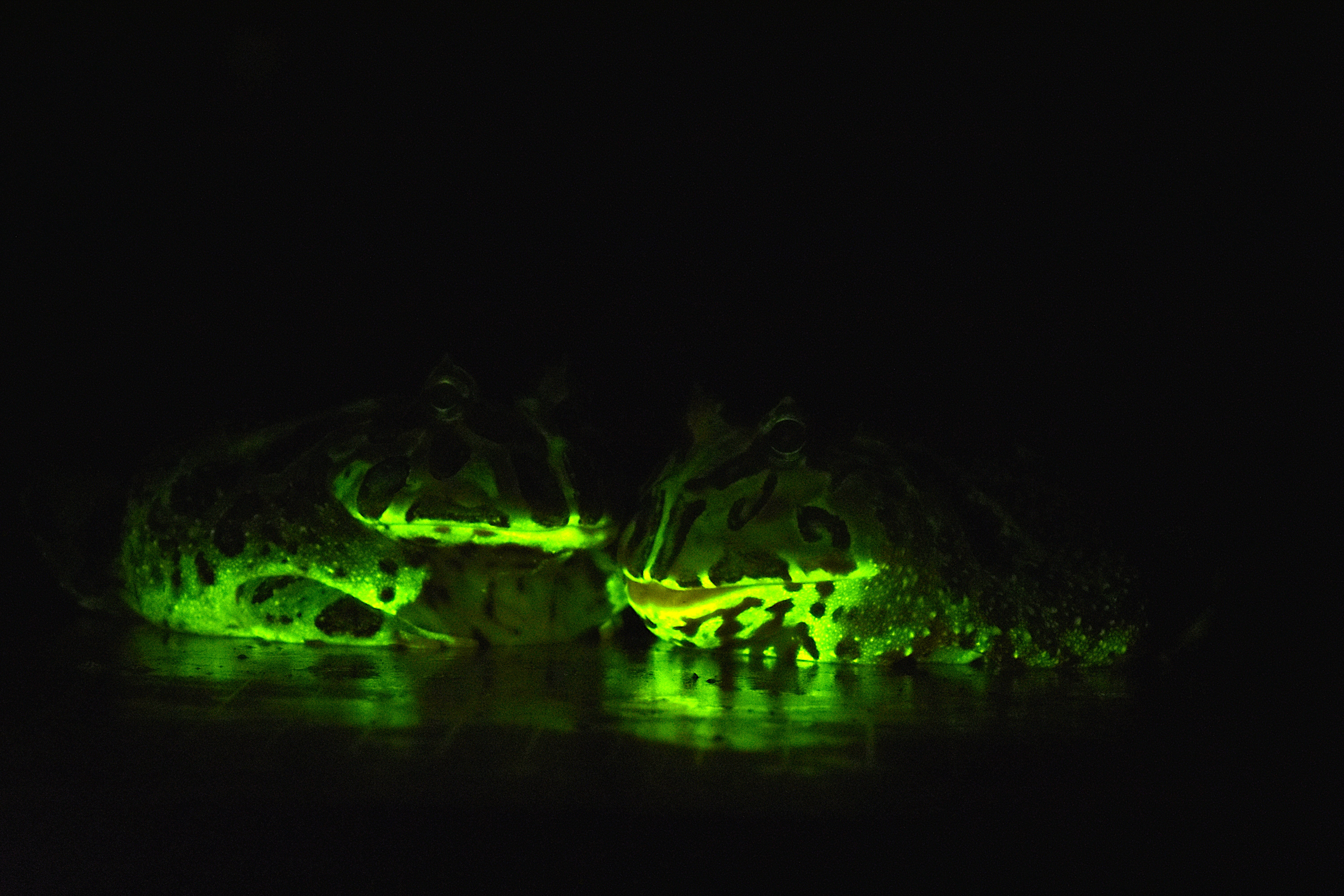
Biofluorescence in frogs – Our research explores how certain frogs absorb light at one wavelength and re-emit it at another, conferring visible fluorescence under dim lighting conditions. We investigate the mechanisms, ecological functions, ontogeny, and evolutionary history of biofluorescence across different amphibian lineages. By integrating metabolomics, behavior, and differential gene expression methods, we aim to uncover how biofluorescence functions in amphibians and understand its adaptive significance.

